

February outlook: Change in Polar Vortex to squash cold spell and bring much-needed winter weather in the West
A shift across the Lower 48 is possible by mid-month, with winter conditions returning to the West as the East finally begins to warm.
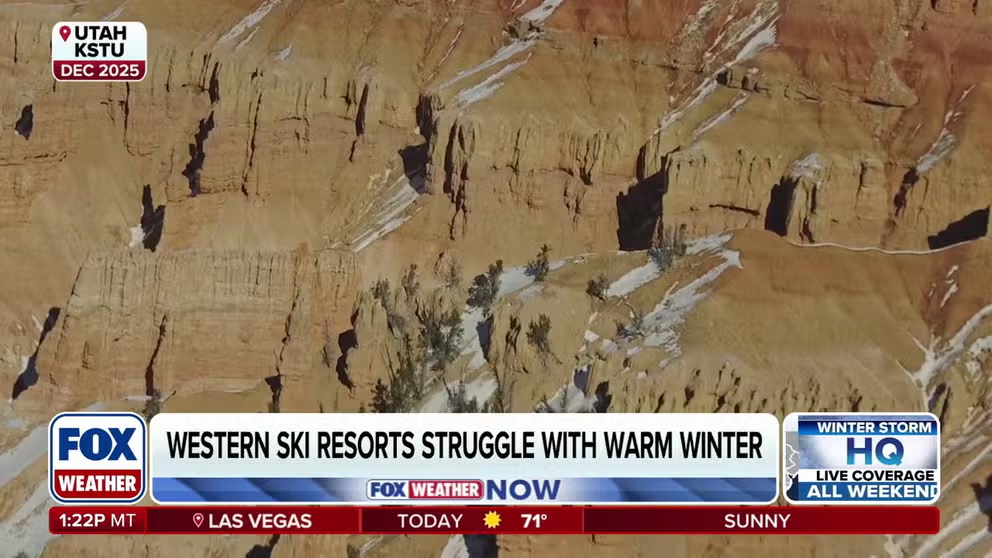
FILE: Bone-dry ski slopes have resorts out west struggling as warm winter plagues season for both skiers and resorts alike
FILE: Bone-dry slopes in the west have ski resorts struggling. Steve Conney, founder and owner of PowderChasers, has been chasing snow for 40 years as an atmospheric science and deep snow expert. Conney joined FOX Weather to discuss historic snow lows crippling ski season in the west.
So far this winter, the East has endured frigid temperatures and record snowfall, and if you're tired of the constant chill, some relief may be in sight.
While much of the West hasn't seen winter weather it is used to and left to bake under record heat and drier-than-average conditions, a shift across the Lower 48 is possible by mid-month, with winter conditions returning to the West as the East finally begins to warm.
Though initial projections called for a major disruption to the Polar Vortex coming this February that would have allowed for significant arctic outbreaks in the eastern U.S., forecast guidance has evolved.
Latest forecast guidance now shows the vortex stretching rather than splitting, while remaining displaced from North America.
NOR'EASTER 'BOMBS' OUT AFTER SLAMMING CAROLINAS, VIRGINIA WITH RECORD SNOW, BLIZZARD CONDITIONS
The cold ushered in late January was caused by the vortex remaining strong but displaced over Canada, sending extreme cold into the U.S.
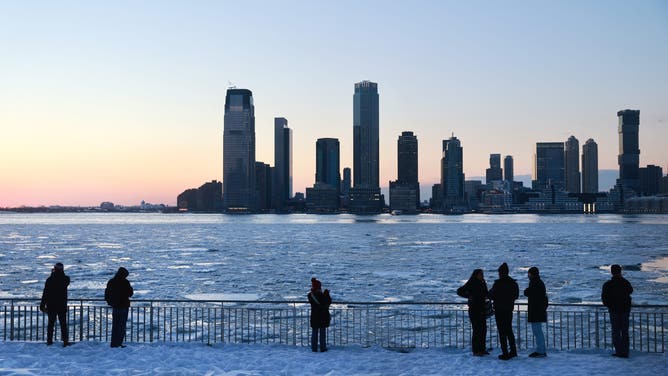
NEW YORK, NEW YORK - JANUARY 29: People watch as ice floats cover part of the Hudson River along the Manhattan shoreline as New York City experiences frigid temperatures following a winter storm over the weekend on January 29, 2026, in New York City. New York received up to a foot of snow in a winter storm that swept through large parts of the country, resulting in numerous deaths, power outages, and accidents.
(Spencer Platt / Getty Images)
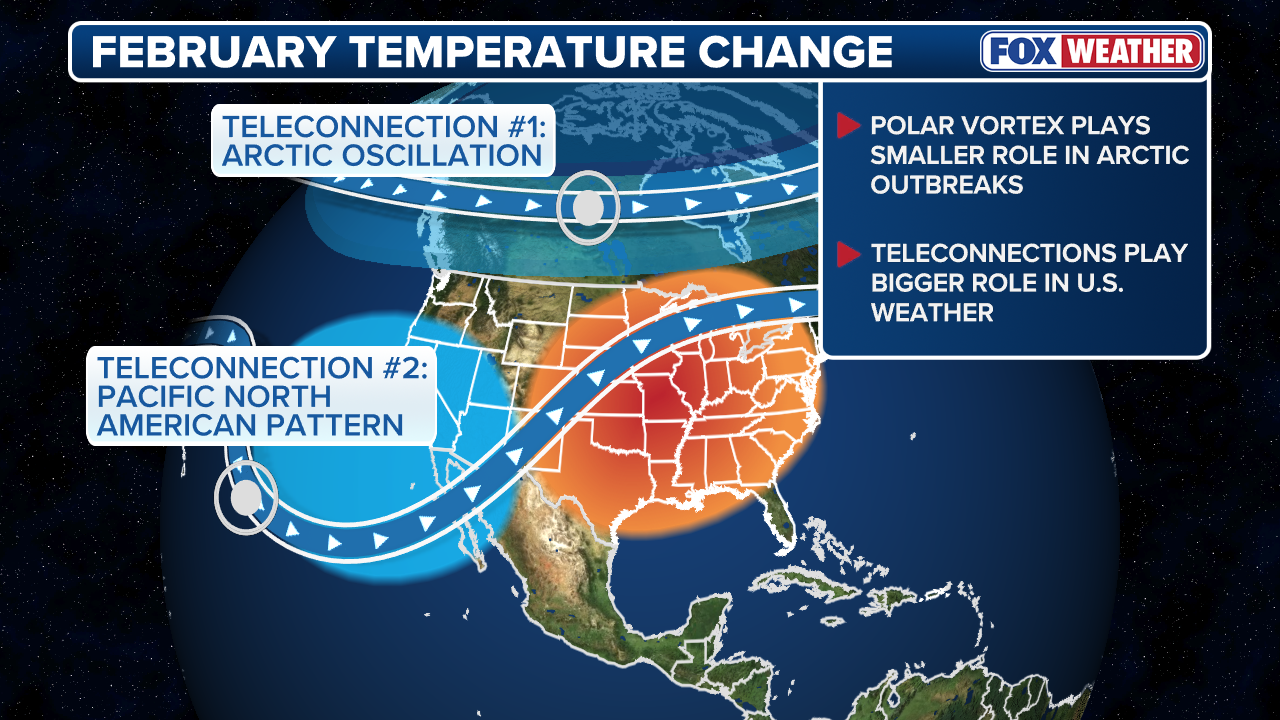
Both the Arctic Oscillation (AO) and the Pacific–North American (PNA) pattern provide valuable insight into longer-term trends across the Lower 48.
WHAT ARE THE ARCTIC OSCILLATION AND THE NORTH AMERICAN OSCILLATION
Currently, the AO is trending toward neutral into February, suggesting a decrease in the frequency of arctic air intrusions that had millions across the U.S. battling below average temperatures in January.
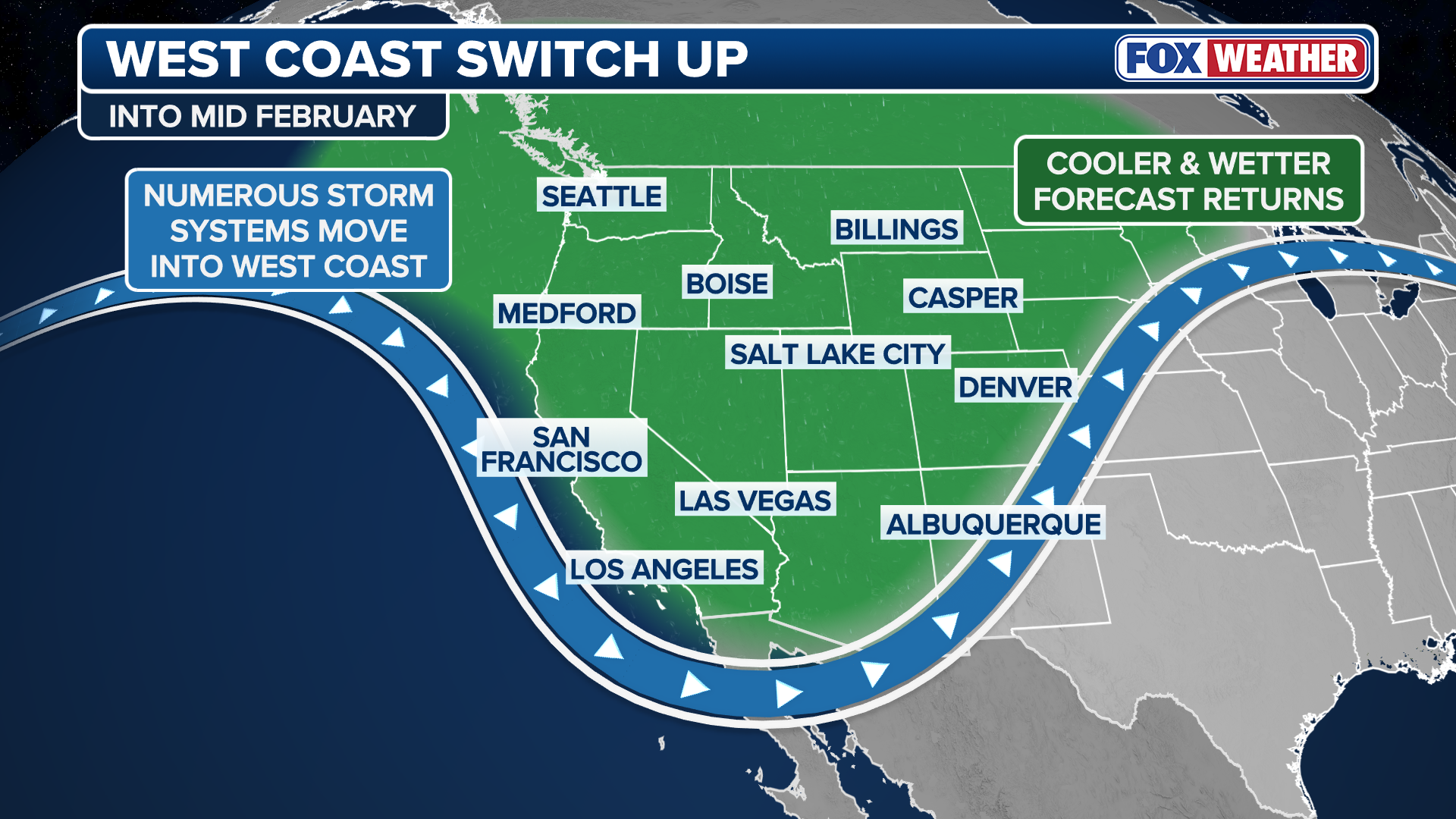
Meanwhile, the PNA is trending negative, signaling a more active storm pattern in the West.
(FOX Weather)
According to the FOX Forecast Center, this setup is clearly reflected in the Climate Prediction Center’s (CPC) 8 to 14-day temperature and precipitation outlooks, which show above-average temperatures across much of the East and above-average precipitation across the West.
An increasingly active pattern across the West will be beneficial, as much of the region has been well below average in terms of snowfall.
(FOX Weather)
This significant departure from normal is largely due to a persistent ridge of high pressure that has dominated the West for much of winter so far, resulting in record warmth that will persist into later this week.
As this pattern begins to break down, more beneficial snowfall is likely to return, even to lower-elevation areas such as Salt Lake City over the next 10 days. Salt Lake City is currently reporting just 0.1 inches of snow for the season, which is nearly 33 inches below the seasonal average to date.

NEW YORK, UNITED STATES - JANUARY 29: A person takes the dog for a walk near the river that froze parts of it due to the extreme cold following a snowstorm as cold weather continues in New York, United States, on January 29, 2026.
(Selcuk Acar/Anadolu / Getty Images)
Reflecting on January
January delivered a wild ride of weather, from the extreme cold across the country even stretching into Florida.
Below-average temperatures left cold-stunned iguanas across the Sunshine State, breaking record lows set decades ago.
NASA DELAYS ARTEMIS II MOON LAUNCH DUE TO RARE ARCTIC OUTBREAK IN FLORIDA
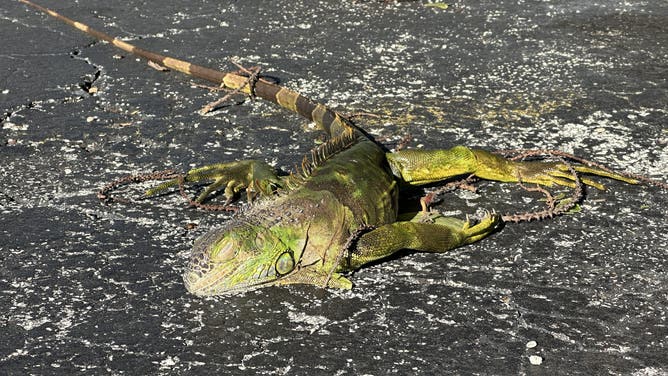
A cold-stunned iguana on the ground in North Bay VIllage, Florida on Feb. 1, 2026.
(Jackson Dill / FOX Weather)
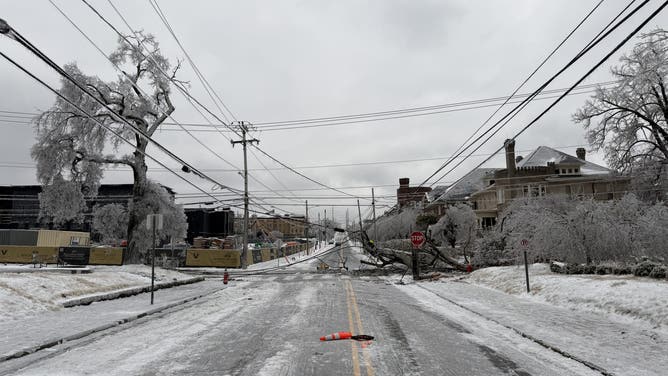
The month brought a major winter storm that caused millions to lose power and dropped feet of snow and inches of ice from the Midwest to the Southeast.
Nearly 80 people died from the storm across at least 16 states.
![]() Image 1 of 4
Image 1 of 4Nashville was slammed by a major winter storm that produced damaging ice storm that has caused thousands of power outages and chaotic travel conditions across the Metro Area. (Yuri Mamchur)
![]() Image 2 of 4
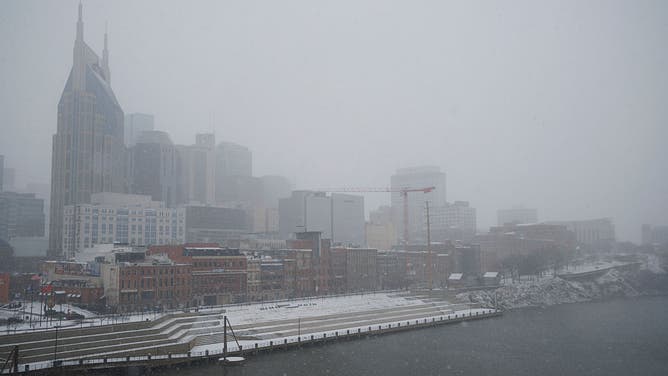
Image 2 of 4NASHVILLE, TENNESSEE - JANUARY 24: Snow falls downtown in the lower Broadway area on January 24, 2026 in Nashville, Tennessee. A massive winter storm is bringing frigid temperatures, ice, and snow to millions of Americans across the nation. ((Photo by Brett Carlsen/Getty Images))
![]() Image 3 of 4
Image 3 of 4Multiple tractor-trailers jackknifed on a highway in Missouri. (MSHP General HQ)
![Snow covers Little Rock, AR early Saturday.]() Image 4 of 4
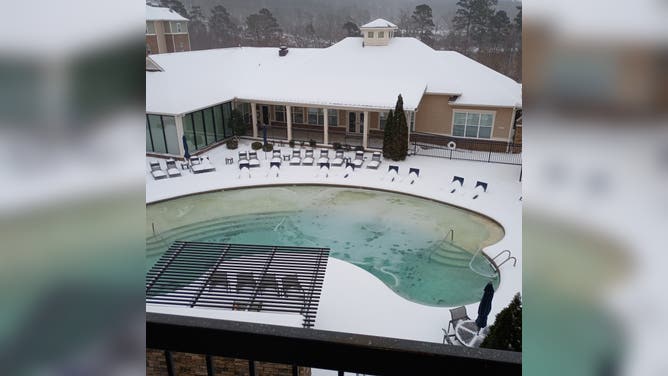
Image 4 of 4Snow covers Little Rock, AR early Saturday. (Phillip Lemley)

Finally, we finished the first month of 2026 with an intense and powerful nor'easter storm that walloped the Southeast, bringing heavy snow to the Carolinas and Virginia.
Historic snowfall was recorded in both North and South Carolina.
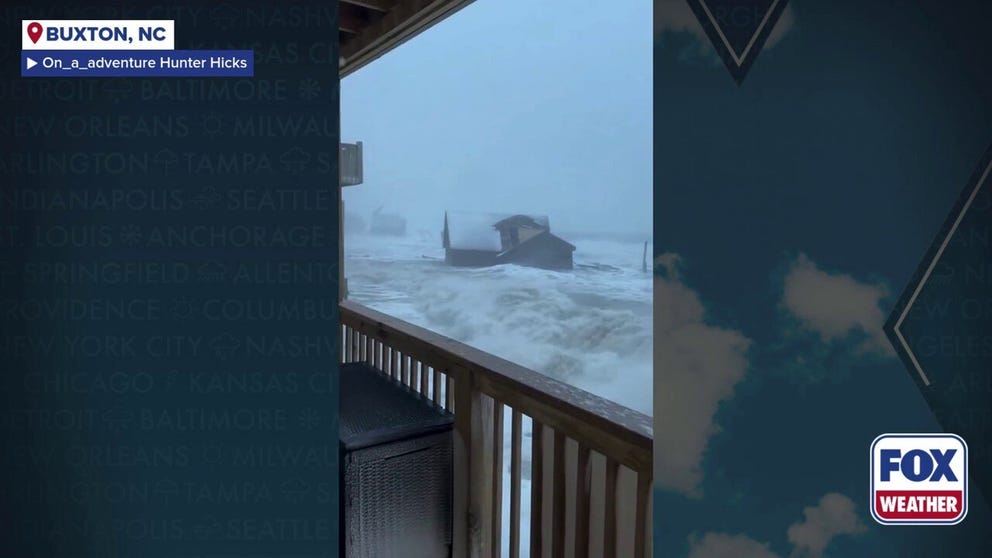
Watch: Collapsed house floats in ocean in Buxton during nor'easter
An abandoned beach home collapsed into the ocean on North Carolina's Outer Banks this morning during rough conditions caused by a powerful nor'easter off the coast. This marks the 28th home to collapse into the ocean since 2020 and the first of 2026.
The storm lashed the beaches of the Outer Banks, causing an abandoned beach house in Buxton to collapse into the ocean during hurricane-force winds and large waves.
The nor'easter continued its trek up the East Coast on the first day of February, preparing to brush Massachusetts and southern New England with snow, more winds amid the extreme cold.
Stay with FOX Weather for continued live coverage tracking the major weather news you need to know.