

NASA satellites reveal striking ocean color change as Super El Niño strengthens
A side-by-side comparison of satellite data from 2025 shows that the equatorial Pacific Ocean typically appears green throughout the year. But as the El Niño weather pattern develops, the area has become measurably bluer.
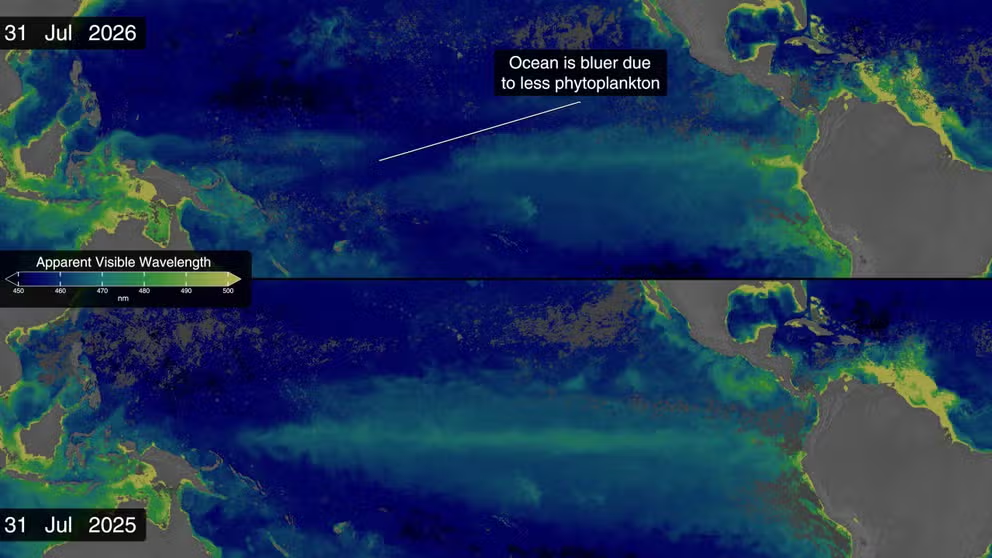
NASA images reveal unusual Pacific Ocean color shift amid strengthening El Niño
The map compares Apparent Visible Wavelength from 2025 (a weak La Niña year) and 2026 (Super El Niño year). Apparent Visible Wavelength is a data product from NASA's PACE satellite utilizing ocean color data from the Ocean Color Instrument.
THE TAKEAWAY
- The Super El Niño is causing the Pacific Ocean to become bluer.
- Experts say the shift is linked to a decline in microscopic plants known as phytoplankton near the equator.
- With fewer phytoplankton in the water, the ocean appears bluer.
The upcoming Super El Niño is changing the color of the ocean, according to satellite images from NASA.
A side-by-side comparison of satellite data from 2025 shows that the equatorial Pacific Ocean typically appears green throughout the year. But as the El Niño weather pattern develops, the area has become measurably bluer over the past several months, according to the agency.
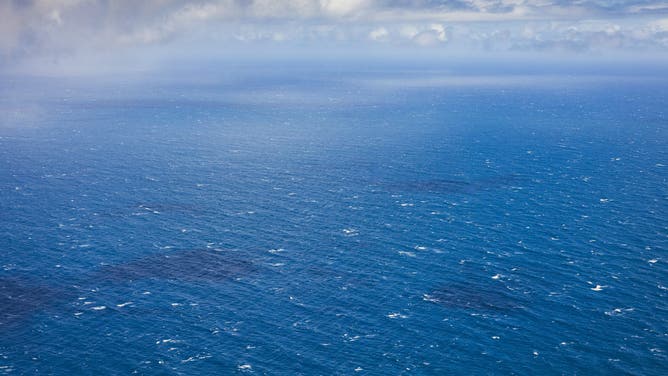
The upcoming super El Niño is causing the ocean to become more blue.
(Thomas Koehler/Photothek / Getty Images)
"Some people think of water as being just blue, but it's amazing the multitude of colors the ocean can be," said Matthew Kehrli, a lead research scientist for NASA’s PACE (Plankton, Aerosol, Cloud, ocean Ecosystem) satellite team at the agency’s Goddard Space Flight Center in Greenbelt, Maryland.
Experts say the shift is linked to a decline in microscopic plants known as phytoplankton near the equator. These organisms form the foundation of the marine food web and can give ocean waters shades of teal, brown or green. With fewer phytoplankton in the water, the ocean appears bluer.
10 MUST-VISIT TRAVEL DESTINATIONS AROUND THE WORLD TO ADD TO YOUR 2027 BUCKET LIST
A side-by-side comparison of satellite data from 2025 shows that the equatorial Pacific Ocean typically appears green throughout the year. But as the El Niño weather pattern develops, the area has become measurably bluer.
(Kevin Carter / Getty Images)
This is typical during El Niño. Phytoplankton thrive in cool, nutrient-rich waters, but during an El Niño event, weakening trade winds reduce the upwelling of nutrient-rich deep water to the ocean surface. With fewer nutrients available, phytoplankton populations decline, potentially prompting marine life to seek out new feeding grounds.
As of Sept. 20, El Niño ocean temperatures had surpassed a historical benchmark. The Oceanic Niño Index (ONI) stood at +3.04°C, surpassing the warmest value recorded since daily records began in 1982.
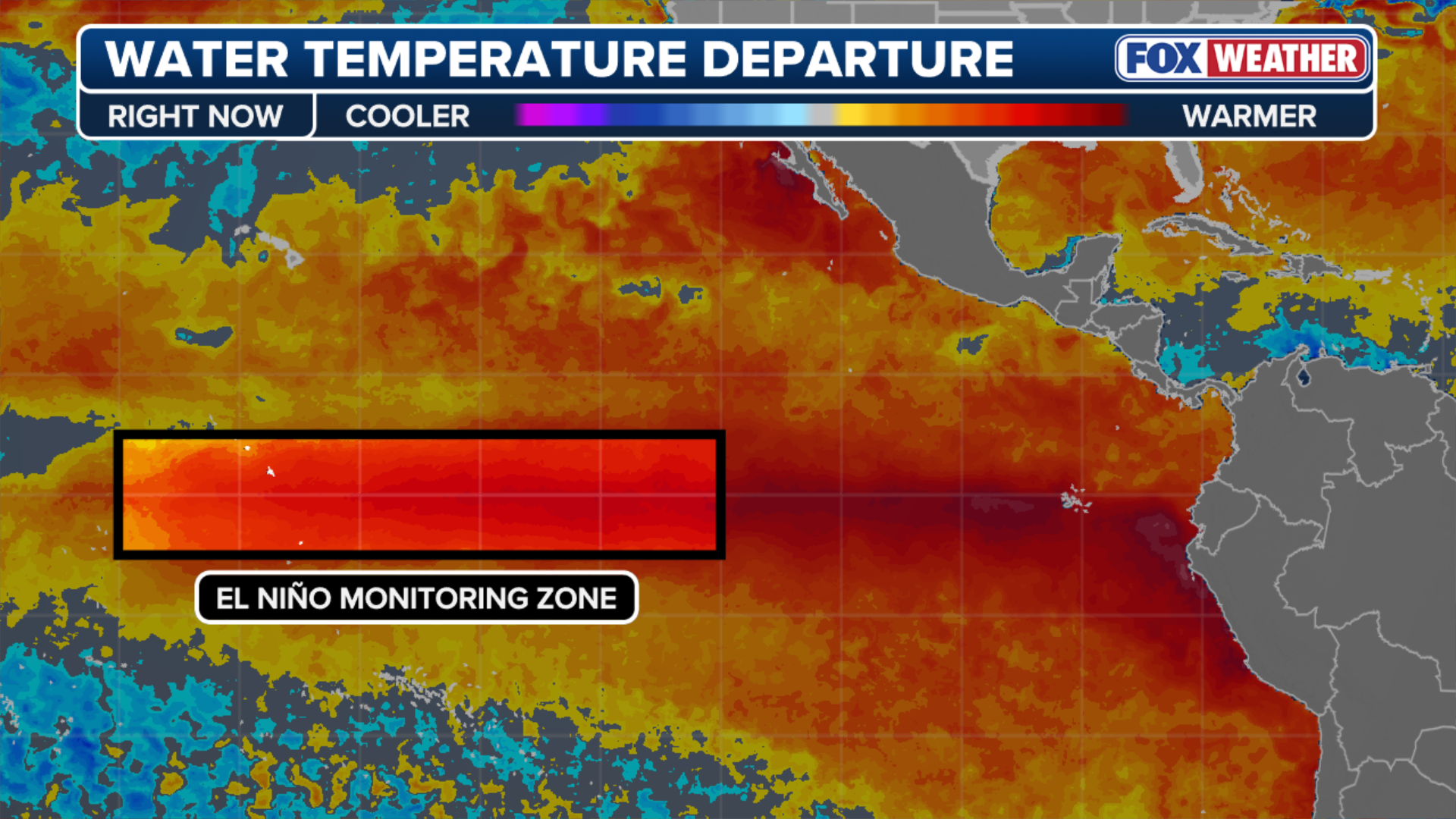
(FOX Weather)
The record-breaking ocean temperatures come as El Niño continues to strengthen ahead of the winter season.
According to the FOX Forecast Center, the unusually warm tropical Pacific could contribute to a slight increase in global temperatures and atmospheric moisture in the short term, potentially providing more fuel for intense storms.
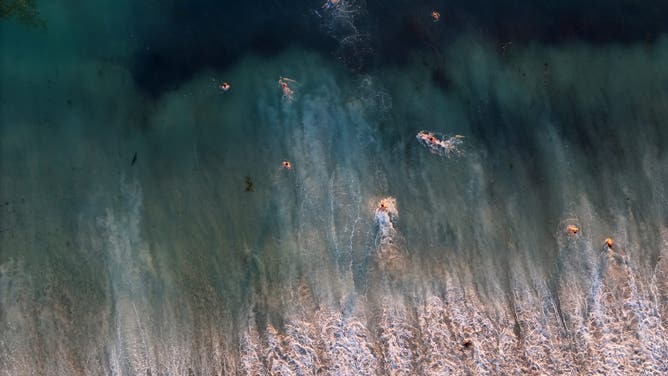
Experts say the shift is linked to a decline in microscopic plants known as phytoplankton near the equator.
(Kevin Carter / FOX Weather)
However, broader winter impacts are expected to remain consistent with a typical Super El Niño pattern, which can produce an active weather season across parts of the U.S.
POWERFUL WAVES BATTER SOUTHERN CALIFORNIA COAST, DAMAGING HOMES AND TRIGGERING SINKHOLE
"El Niño touches almost all of us in some way every time it occurs," Josh Willis, project scientist for sea level missions at NASA's Jet Propulsion Laboratory in Southern California, said. "While many have seen what it can do, we look to the ocean to understand why."